The Sports Counterfeit Crisis: How Fake Merchandise Costs the Industry Billions
The global sports merchandise market faces an unprecedented counterfeiting challenge, with fake jerseys, sneakers, and equipment flooding online marketplaces.
The global sports merchandise market faces an unprecedented counterfeiting challenge, with fake jerseys, sneakers, and equipment flooding online marketplaces at alarming rates. Industry estimates suggest that counterfeit sports goods account for over $12 billion in lost revenue annually, affecting everyone from major leagues to independent athletes and the consumers who support them.
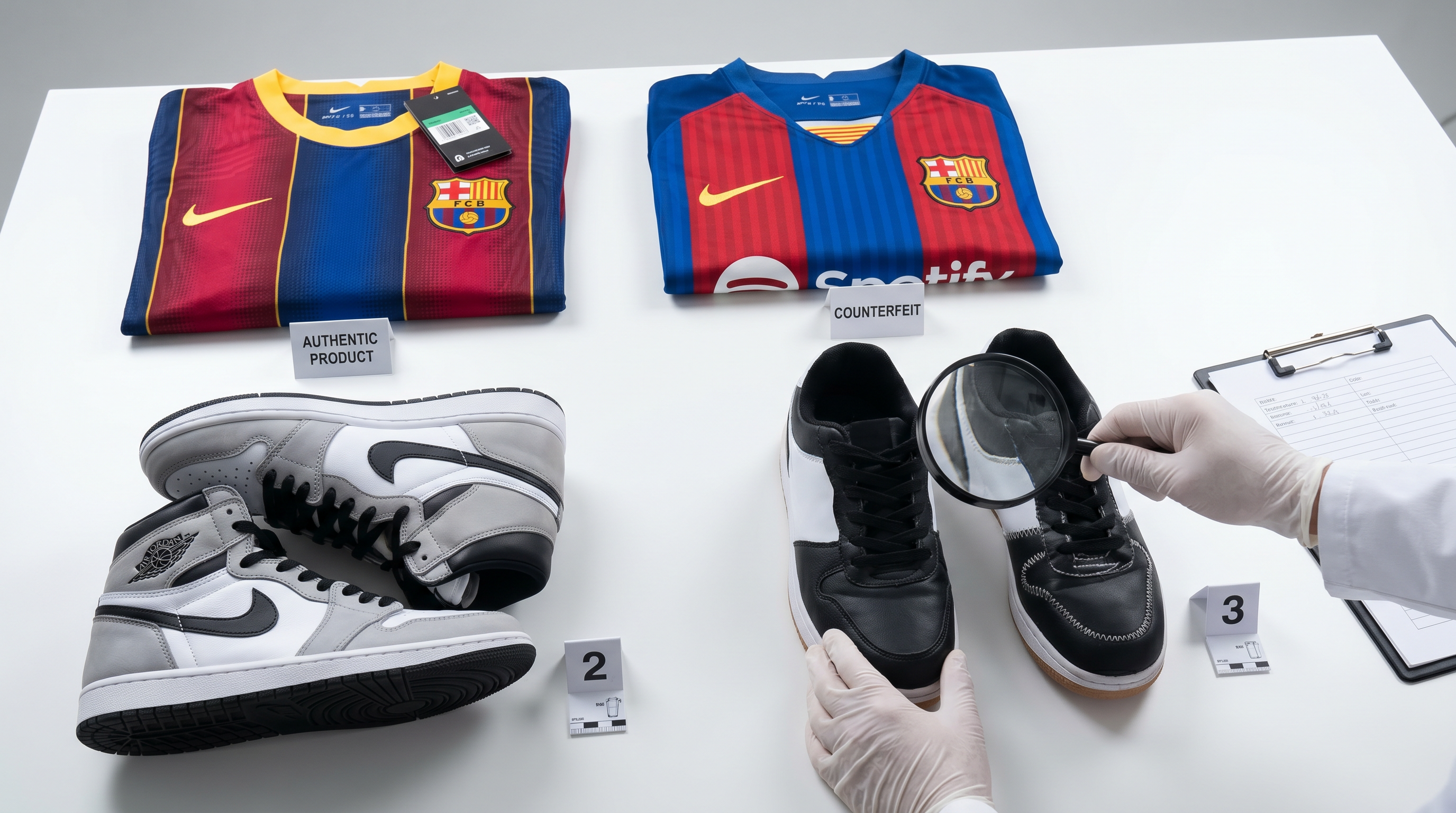
Counterfeit sports merchandise has evolved dramatically in recent years. Modern fakes are increasingly sophisticated, with counterfeiters investing in better materials and manufacturing processes to create products that closely mimic authentic goods. High-resolution product photography and professional-looking storefronts make it nearly impossible for consumers to distinguish real from fake when shopping online.
The health and safety implications are equally concerning. Counterfeit athletic footwear often lacks proper cushioning and support, leading to injuries. Fake protective equipment such as helmets and pads may not meet safety standards, putting athletes at serious risk. In one documented case, counterfeit cycling helmets failed impact tests at rates five times higher than certified products.
Brands are fighting back with technology-driven solutions. AI-powered monitoring systems can now scan thousands of marketplace listings per minute, flagging suspicious products based on image analysis, pricing anomalies, and seller behavior patterns. Combined with automated enforcement workflows, these tools have enabled sports brands to remove counterfeit listings 180 times faster than traditional manual processes.
Ready to protect your brand?
See how FaizScan's AI-powered platform can help you detect and eliminate threats across all channels.
Request a Demo